Brewing tea for wellness is a really personal thing for me. It’s about how the tea actually feels in my body more than anything else. I focus on comfort, calm, smoothness, and how gentle a cup of tea sits with my digestion. There are lots of articles out there promising detox perks or miracle cures, but that’s not what I’m here for. I want to walk you through how tweaking things like temperature, timing, and extraction actually changes how tea lands, especially for those of us looking for balance and comfort rather than a jolt of energy.
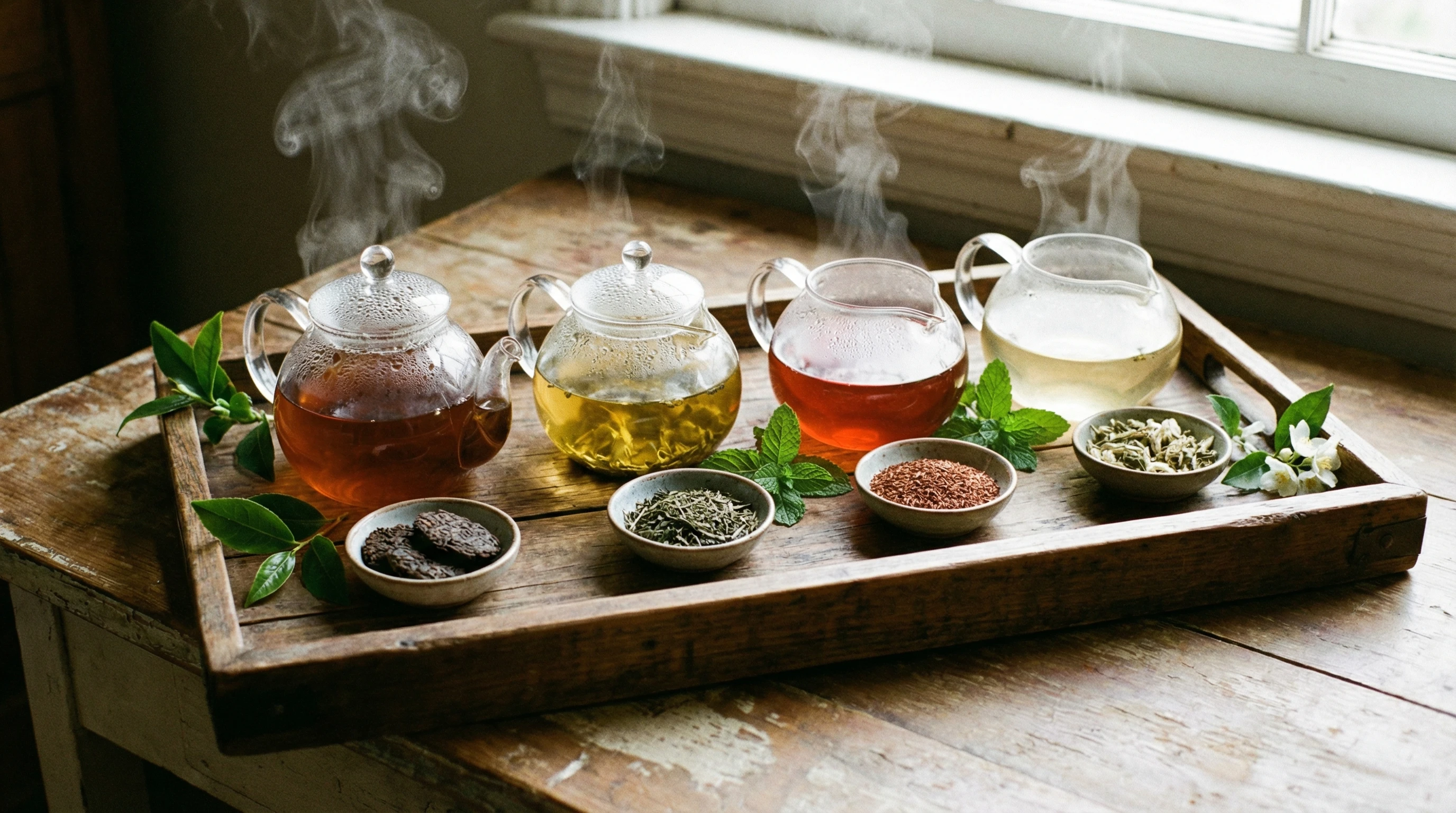
Why Brewing Method Matters More Than the Tea Itself
I used to think the variety I picked was the whole story when it came to wellness, but the way I brew actually changes everything. Extraction is the process where water pulls out the flavors, caffeine, color, and other stuff from the leaves. If extraction is too aggressive, my tea gets really bitter and feels harsh or even a little jittery. If extraction is too light, the tea tastes thin, and I don’t get much comfort or satisfaction from it.
When I talk about gentle extraction, I mean brewing in a way that’s soft enough to keep bitterness and stomach irritation low, without making the tea bland. Most people are surprised by how much changing temperature or steep time can make a difference, even if they use the same leaves every time. Brewing gently has switched up the whole experience for me, revealing new sides of old favorites.
Water Temperature and Its Effect on the Body
The temperature of your water makes a big impact on how a tea feels. Some teas actually give off more caffeine and bitterness when the water is really hot. Others taste kind of sour or astringent if the water is too cool or if it isn’t hot enough. I’ve noticed that brewing at the right temperature makes my cup taste more balanced with a smoother, more calming effect.
Lower Temperatures for Gentler Effects
Brewing with slightly cooler water (between 65-80°C or 150-175°F) helps make green tea and lighter oolong teas much softer on my stomach. I often reach for lower temps when I want to reduce bitterness or harshness. If I sip a lot of tea in the afternoon or evening and I’m worried about feeling jumpy or interrupting sleep, dropping the temperature is a go-to trick. It’s also great if you’ve ever found green teas to feel sharp or too intense.
For sensitive stomachs or when I want something easy to digest, cooler water means less grip on the gut. I especially recommend this for people who want to enjoy tea without triggering any digestive discomfort. Sometimes, a gentle brew late in the day feels like the coziest way to wind down.
Higher Temperatures and When They Make Sense
On the other hand, I actually use hotter water (closer to 90-100°C or 195-212°F) for roasted oolongs, aged pu-erhs, or black teas. These teas have been through heavier processing, so their leaves can handle higher heat without turning sharp or bitter. In fact, they often open up and become smoother with boiling water. The warmth brings out deeper flavors that are really comforting, especially in cooler weather or after a meal.
Sometimes, after eating something oily or rich, drinking a hot, robust cup feels more settling and supportive of digestion. Just keep in mind not every tea needs that much heat. Picking the right temp keeps your cup gentle and satisfying. If I brew a more robust tea first thing in the morning, I always make sure to pair it with food to keep things balanced.
Timing and Infusion Length
How long you let your tea steep really changes how it feels and tastes. I’ve found that timing matters just as much as water temperature. Even if you brew with the right temperature, steeping too long can change everything. The main things I pay attention to are whether I want my tea to feel light and balanced or stronger and more intense.
Short Infusions for Balance
I’m a huge fan of short steeps, usually 30 seconds to 1.5 minutes for most greens and oolongs. These brief infusions typically pull out the sweeter and more gentle flavors first, leaving most of the bitterness (and some of the caffeine) behind. If I’m brewing in a small teapot or a gaiwan, I’ll do multiple quick infusions, adding a little more time to each round. This style of brewing makes every cup feel softer on my body, and I rarely get that jittery or overwhelmed feeling.
When I care about calm and comfort, I lean into a few short steeps instead of one big, long soak. It also makes the session last longer and lets me enjoy more of the leaf’s potential without things getting out of hand. It turns tea brewing into a mindful moment, rather than just a routine.
Long Infusions and Their Effects
Longer infusions, like 3-5 minutes (or even up to 10 minutes for some herbal teas), will pull out more bitterness, astringency, and caffeine. Sometimes I want something robust, maybe after a meal or on a cold day, but I find that too-long steeps often feel heavy, harder to digest, or leave my mouth dry. I’ll still use longer steeps when I have a really dense pu-erh or a strong black tea that can handle it, but otherwise, I’m careful not to push it too far. If you’ve ever ended up with tea that feels rough, try cutting down the length and see if you spot a difference.
Over time, I’ve learned to size up how my body reacts to different brews. Some days I crave a lighter touch and other days demand a bolder cup. That flexibility is a big part of wellness for me.
Gentle Extraction Explained
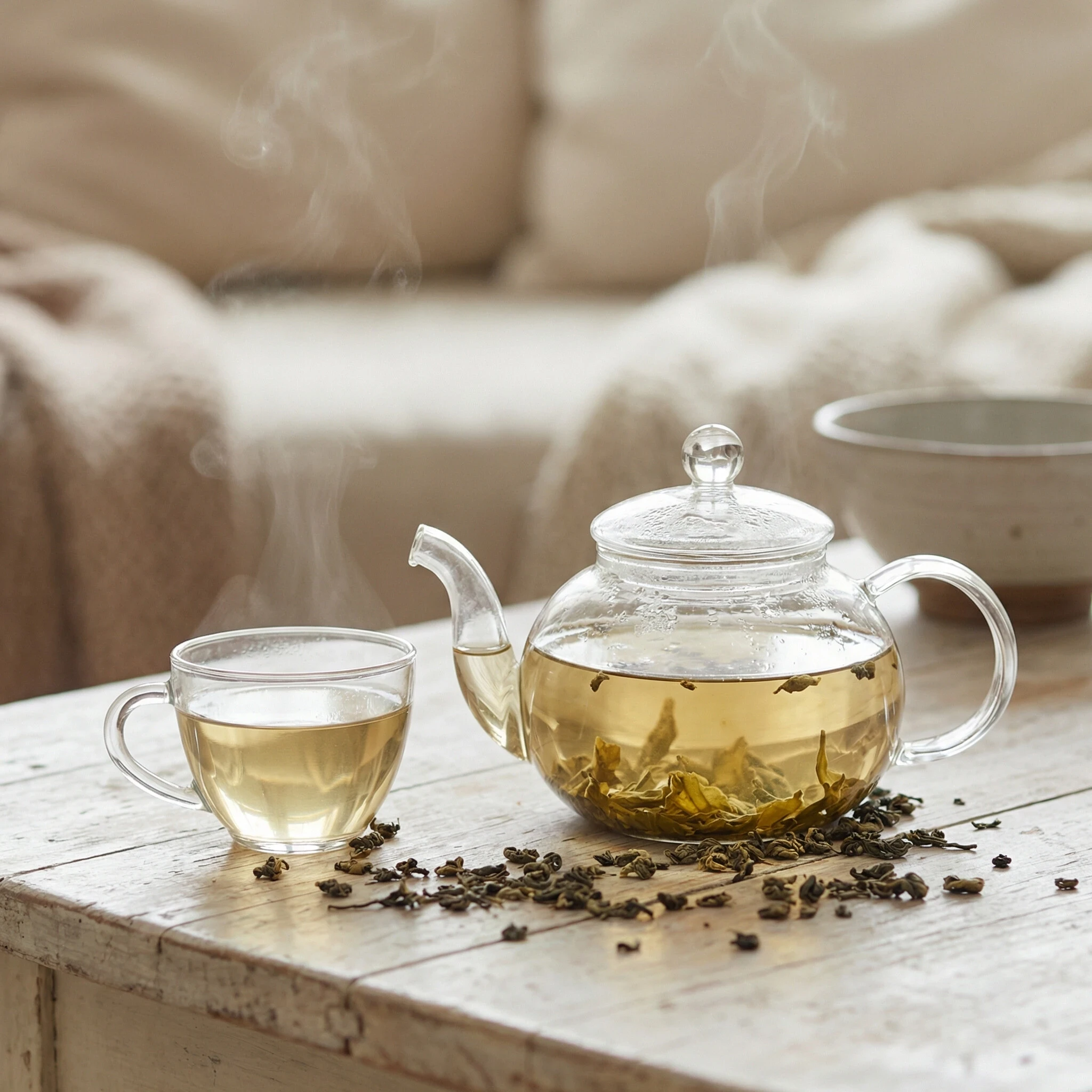
Gentle extraction is about coaxing flavor and warmth from tea leaves in a way that supports smoothness, comfort, and a steady, calm energy. It’s not about making the tea weak; it’s about balancing all the variables so the cup feels right in your body. I’ve found that gentle extraction means fewer stomach issues and a more even energy curve, without rough side effects.
Some people love the stimulating kick from a strong brew, but if you’re looking for tea that feels softer (maybe you’re sensitive to caffeine, bitterness, or just want something soothing), paying attention to extraction makes a big difference. Over time, gentle brewing can deepen your appreciation for all the subtle flavors that might otherwise be buried by harshness.
LeaftoWater Ratio
Using too much tea leaf for the amount of water almost always leads to a brew that feels heavy, sharp, or way too caffeinated. If I use too little leaf, the cup can feel thin, watery, or unsatisfying—like something’s missing. I aim for a balanced approach, about 1-2 teaspoons per 8 ounces of water, adjusting by tea type and personal taste. If I’m trying a new tea or feeling especially sensitive, I start with less leaf and see how my body reacts before adjusting. This is also handy if you want to enjoy longer tea sessions without running into stomach issues.
Pouring and Heat Retention
Preheating my teapot or cup makes extraction more even and helps the leaves wake up gently. It prevents a sudden temperature drop when the hot water hits cold vessels, keeping the flavor consistent across infusions. When pouring, I use a steady, gentle pour so the leaves move and mix at a nice, calm pace. Rushed or rough pouring can actually bash the leaves and pull out bitterness faster than you want.
This approach is great for keeping the brewing process controlled and predictable, fully supporting a smooth, gentle cup from start to finish. Little adjustments can make a regular cup of tea feel nextlevel cool when your body needs a mellow moment.
Which Tea Styles Tend to Feel Gentler
Not all teas are created equal when it comes to how they feel, but I’ve noticed some trends. Roasted oolongs like tieguanyin or some Taiwanese varieties usually sit well for me. Their roasting process knocks down bitterness and leaves a toasty, smooth profile that feels cozy and never sharp.
Aged teas, both pu-erh and aged oolongs, also tend to be kind to the stomach and promote a mellow, grounding sensation. The aging changes the compounds in the leaves, reducing anything that might upset digestion or cause harshness. Green teas, especially Japanese sencha or Chinese green teas brewed at lower temperatures, can also feel really smooth and bright if you use gentle extraction.
Freshness matters as well. If a green tea is old or not stored right, it can get harsh or “off” in taste, which throws off how it feels. Processing methods, like panfiring, rolling, or roasting, change the character, so I always pay attention to those details. I try not to label any one variety a “wellness tea,” but I’m always aware of which kinds and which brewing styles consistently feel the best for my needs. Don’t be afraid to mix in some variety to find your sweet spot.
Common Brewing Mistakes That Reduce Wellness
I’ve made all kinds of mistakes on my own tea adventure, and I still slip up sometimes. Here are some of the big pitfalls that often leave tea drinkers feeling off:
- Using water that’s too hot for delicate teas: This cranks up bitterness and astringency, making the tea rougher on your system.
- Steeping way too long: Even if the label says 3-5 minutes, that might be too much for your body, especially with greens or lighter oolongs.
- Trying to make tea super strong by oversteeping or piling in leaves: This often results in a cup that’s hard to drink and not much fun at all. More doesn’t always mean better here.
- Equating bitterness with “more benefit:” Many people chase intensity thinking it’s healthier, but usually, it just makes for an unpleasant time and can upset your stomach.
Small changes to your approach help a lot. Brewing with intention and paying attention to how the results feel keeps things enjoyable and easy. It’s okay to learn from slip-ups.
How to Adjust Brewing Based on How You Feel
Brewing tea for wellness is a realtime process for me. I tweak my method every day depending on how I’m feeling. Here are some of the main things I watch out for, with adjustments I find helpful:
- If tea makes me jittery: I cut back on leaf, lower the water temperature, or do shorter steeps. Skipping the very first infusion (sometimes called a rinse) can also reduce kick.
- If tea bothers my stomach: I reach for teas that are roasted or aged, avoid emptystomach tea sessions, use lower temperatures, and pour shorter infusions. I also make sure not to let leaves steep forever by accident.
- If tea tastes harsh or too bitter: I drop the temp, cut back the time, and use a little less leaf. Sometimes adding a splash of cold water at the end of steeping, or using filtered water instead of hard tap, makes the cup smoother.
- If tea tastes dull or weak: I increase the leaf slightly, try longer infusions (by 10-20 seconds at a time), or bump the water temperature a notch. Always a little at a time to avoid crossing into bitterness or heaviness.
The key is being flexible. What feels just right one week might feel off the next, so I check in with myself before brewing and don’t worry about sticking to the exact same recipe every time. Taking note of changes in season, mood, or even what I’ve eaten that day can influence my approach for the best results.
Final Thoughts on Brewing Tea for Wellness
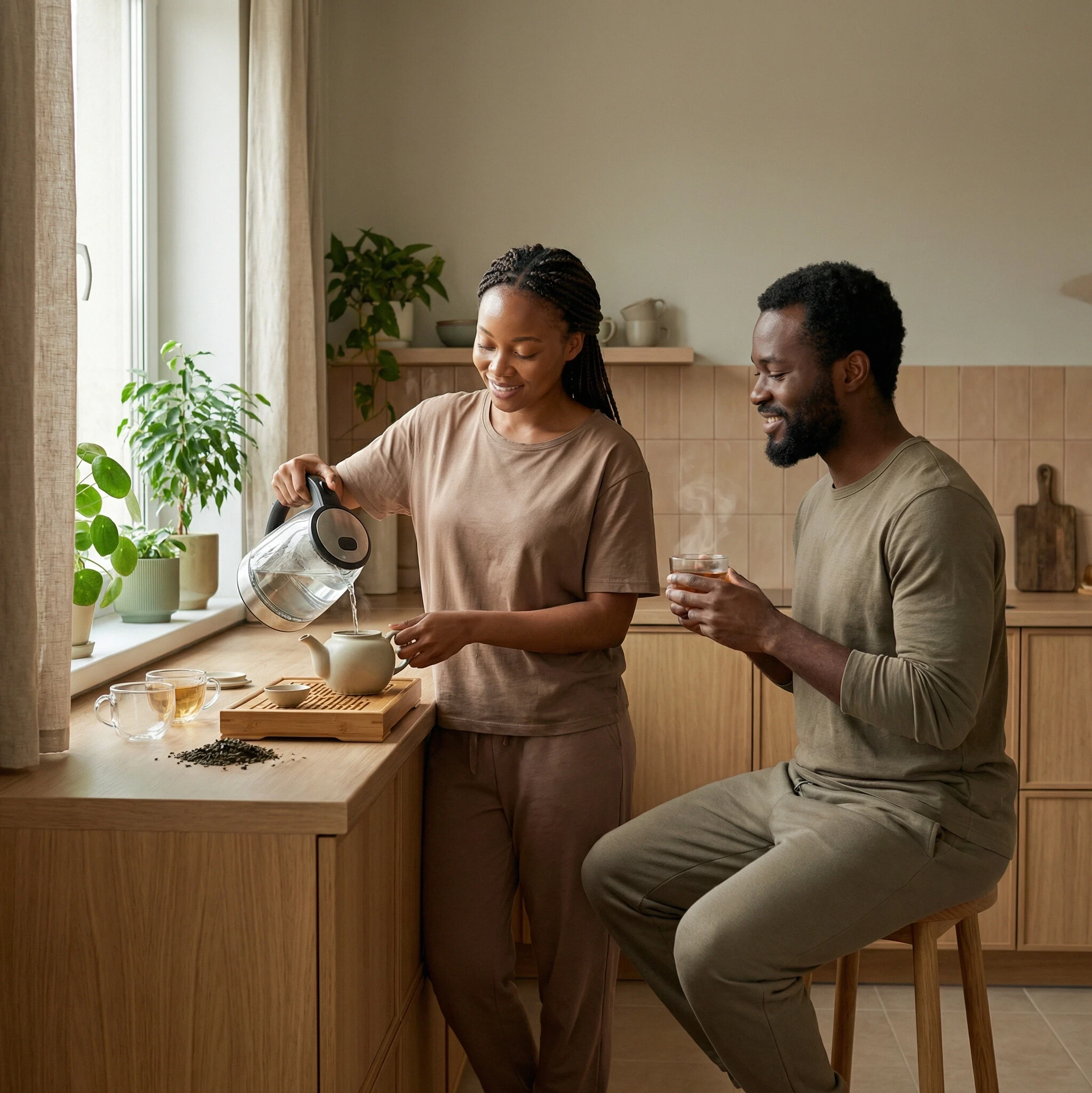
Brewing tea for wellness, at least in my experience, depends way more on finding your own comfort, balance, and preference than sticking to a strict standard. It’s not about brewing the “strongest” or the “healthiest” cup; it’s about making small tweaks that help your tea feel smoother and more enjoyable for your body.
I encourage anyone interested in gentle tea extraction or managing tea for calm, balance, and digestion to get curious and try new things. Whether that’s lowering the water temperature, shortening steep time, or switching up leaf styles until you land on a combo that works for you, experimenting is key. Tea brewing isn’t a one-size-fits-all deal. The real magic is in paying attention to how you feel with different approaches and being open to changing things up as you go. Getting comfortable with these guidelines has changed my daily tea habit for the better every single time.
Try mixing in some variety with your preferences, explore new brewing methods, and see what matches your taste and how you want to feel. Tea is about more than flavor; it’s about creating comfort and enjoying a soothing moment that fits you perfectly.
If you’re interested in going deeper into how brewing technique shapes your tea experience, you might find these guides helpful:
• How to Brew Wuyi Yancha Gongfu Style – a detailed look at brewing roasted oolongs with heat and control
• The Complete Guide to Gongfu Tea Brewing – a practical look at how small vessels, short infusions, and timing influence extraction
• The Ultimate Guide to Brewing Better Tea with the Right Water – a deeper dive into how water temperature and water quality affect flavor, bitterness, and balance
Each of these builds on the same ideas explored here, just with more focus on specific styles and techniques.

Chris is the founder of Zen Tea Tools and a passionate explorer of traditional and modern tea brewing. From Gongfu sessions to smart tea technology, he shares practical insights to help others find clarity, calm, and better tea.Learn more about Chris →
Leave a Reply