Gongfu tea brewing has an aura of mystique, but even with quality tea leaves, many new brewers feel let down by their results. I remember my early sessions: I’d overload the teapot with way too much leaf, nervously pour water that was either far too hot or just lukewarm, and end up with bitter, flat, or plain boring brews. Good tea went to waste; honestly, I sometimes doubted if I’d ever really enjoy it.
Sorting out a few common mistakes can take gongfu from disappointing to seriously rewarding. There’s no need for overcomplicated rules or flashy gear. Here are the main things that trip newcomers up, along with easy fixes you can use today to make your next session taste so much better.
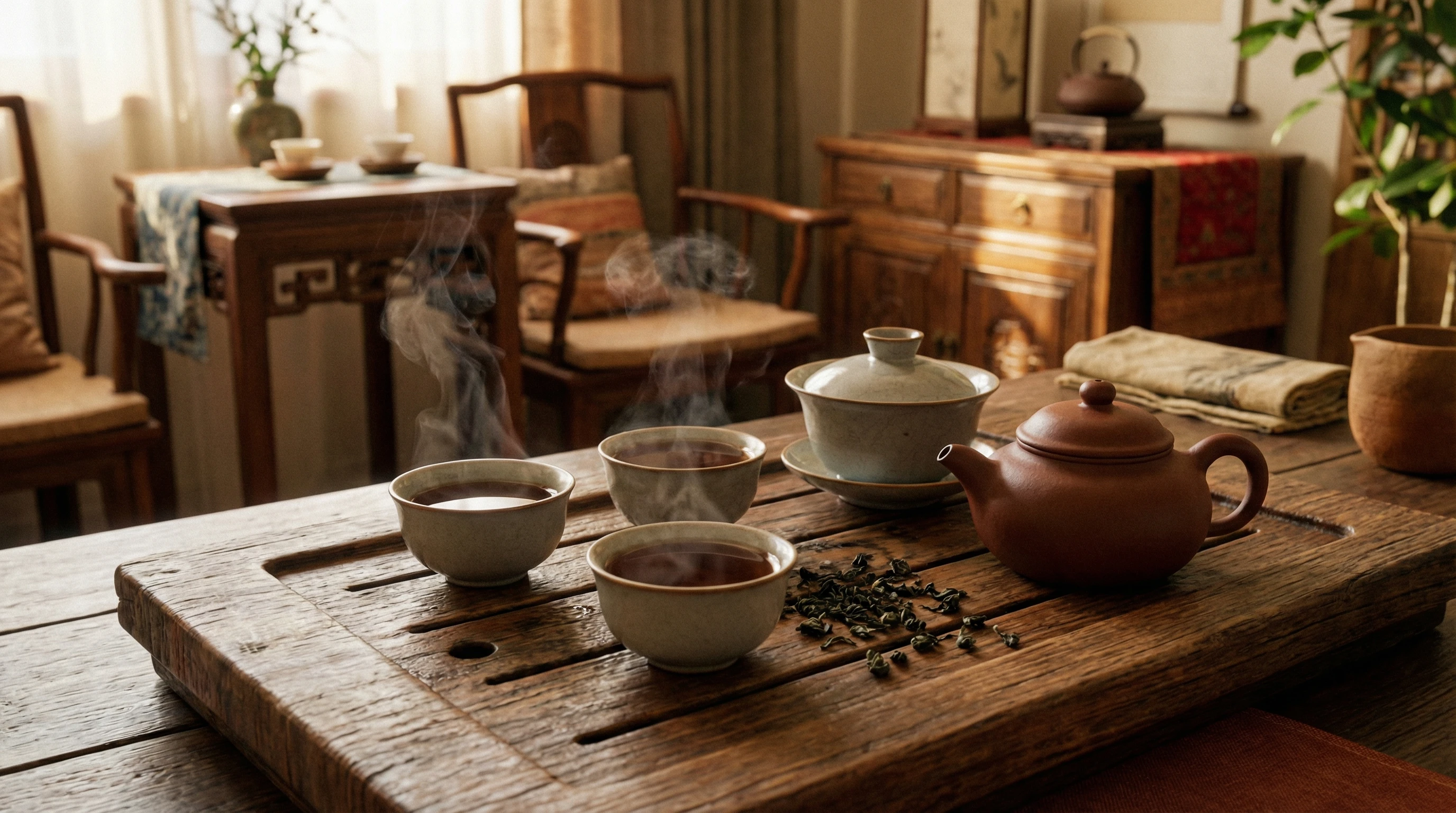
Why Gongfu Tea Feels Frustrating at First
Almost every bad gongfu session comes down to leaf ratio, water temperature, timing, or water quality.
Even trustworthy teas can taste off when brewed gongfu style, especially for beginners. It’s surprising how a tea that looks rich and smells wonderful can end up bitter or oddly flat. One thing worth remembering is that gongfu relies on a high leaf-to-water ratio and quick steeps. You’re asking the tea to show you all its flavors fast. That’s great, but it’s also easy to get wrong if the fundamentals slip.
Most problems happen because of just a few things: too much tea in the pot, brewing too long, using poorly chosen water temperatures, or letting Western habits sneak in. The upside? Small changes bring big improvements.
Using the Wrong Leaf to Water Ratio
Gongfu is known for using a generous amount of leaf in a small pot. The goal isn’t brute strength like coffee, but to get layers of aroma and flavor quickly. When you use too little tea, your cup tastes weak and empty, like the leaves never got a chance. Too much, and you get bitterness, sourness, and wasted leaves.
A good place to start is roughly 1 gram of leaf per 15 milliliters of water for oolongs and pu’er. So with a 100ml teapot, you’ll want about 6–7 grams. You don’t need to obsess over it, and you can tweak based on your teapot or leaf shape, but sticking close to this ratio solves most problems.
What Happens If the Ratio Is Off?
- Too little leaf: Each brew comes out watery and lacking, no matter how great the tea is.
- Too much leaf: Early infusions can be overpowering or harsh, but by the third round you exhaust the leaves and everything gets dry and rough.
Nearly every bad gongfu session I’ve tasted could be fixed by adjusting the ratio. Hitting the sweet spot really makes a difference.
Water Temperature Mistakes
This trips up more people than you’d think. Gongfu lets you really get into the character of a tea, but you need to give the leaves what they need to come alive. Often, that means hotter water than you might expect—particularly if you’ve heard you should fear bitterness. The twist? Some delicate teas will cook if the water’s too hot.
The Myth of Bitterness
I stuck to cooler water for a long while, aiming to dodge bitterness. What really happened: my tea never woke up, the flavor was muted, and I missed out on those wonderful aromas. The better route is to use common sense as a starting point and notice how each tea responds. A lot of quality teas actually do well with serious heat.
Simple Water Temperature Guide
- Sheng (raw) pu’er: 95–99°C (203–210°F), nearly boiling. Younger shengs usually handle just-off-boil well, which helps bring out sweetness and clarity.
- Shu (ripe) pu’er: 98–100°C (208–212°F), full boil. Shu wakes up quickly with maximum heat and tends to taste flat if the water is too cool.
- Dan Cong and other oolongs: 95–100°C (203–212°F). Heavily roasted oolongs love boiling water, while greener or less-roasted styles often prefer slightly cooler water around 90–95°C (194–203°F).
- White tea: Around 90°C (194°F). Use cooler water for very fresh silver needle, and slightly hotter water for older or more full-bodied white teas.
These ranges aren’t strict laws, just helpful starting points. Tweak within a few degrees once you get a sense for what your tea likes best.
Letting Infusions Steep Too Long
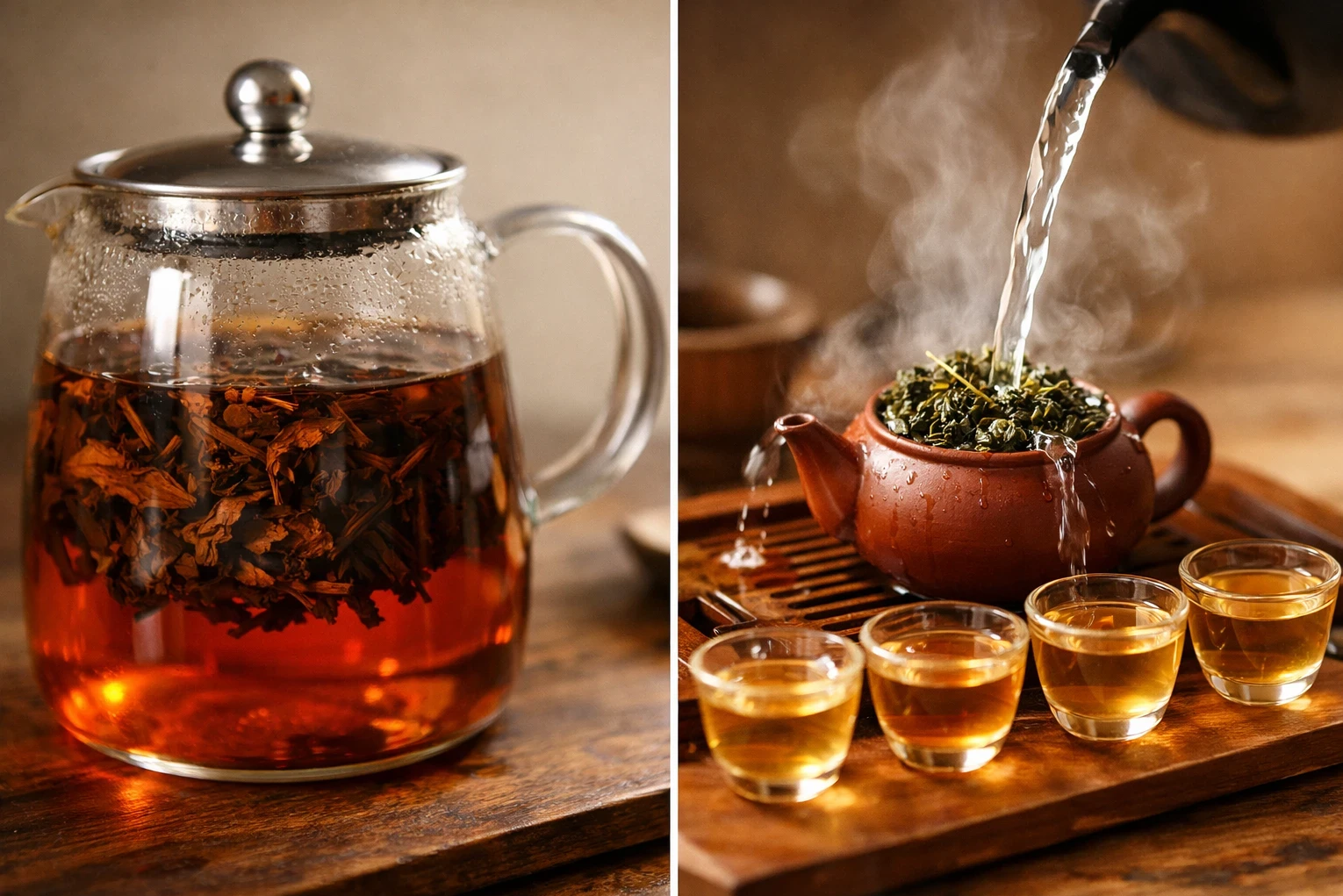
This tripped me up for ages. With Western-style tea, you let it go for multiple minutes. Gongfu is flipped: it’s all about fast infusions. Leaves are loaded into a small vessel, then hit with water that moves through them quickly. Keeping brews short lets you get lots of clean, aromatic rounds—each one a bit different from the last.
Why Oversteeping Ruins Gongfu
- Lost aroma: More brewing time draws out bitterness, masking the most exciting aromas.
- Dullness: Instead of distinct, lively cups, everything blends together and feels unremarkable.
Treat the first steep as a test, usually five to ten seconds after the rinse for many oolongs. You can stretch out time in later rounds, but it’s better to start short and extend gently. If an infusion comes out too strong, next time just cut back. Don’t bother with a stopwatch—just count in your head till you know the rhythm.
Not Rinsing the Leaves Properly
Rinsing, or waking up the leaves with a quick splash of hot water, is a classic trick. It gets the leaves moving, removes any storage flavors, and gets everything ready for brewing. If you go overboard though, you’re tossing out good taste with the rinse.
When Is Rinsing Useful?
- Pu’er and dark teas: Always benefit from a rinse to clear earthy or storage notes.
- Heavily roasted oolongs: Rinsing can clear off any surface roast flavors.
- Delicate teas (like white, green, or super floral oolong): Often do best with no rinse, or an ultra-fast (2–3 second) rinse so you don’t lose the most aromatic notes right away.
Easy Rinsing Slip-Ups
- Letting leaves sit in rinse water instead of pouring it off quickly. This can sap the best flavors right at the start.
- Doing multiple rinses. Usually pointless for fresh, clean teas.
The simplest fix: Use really hot water, rinse fast, dump right away, and jump straight into your first brew. No need to get fancy with it.
Brewing All Teas the Same Way
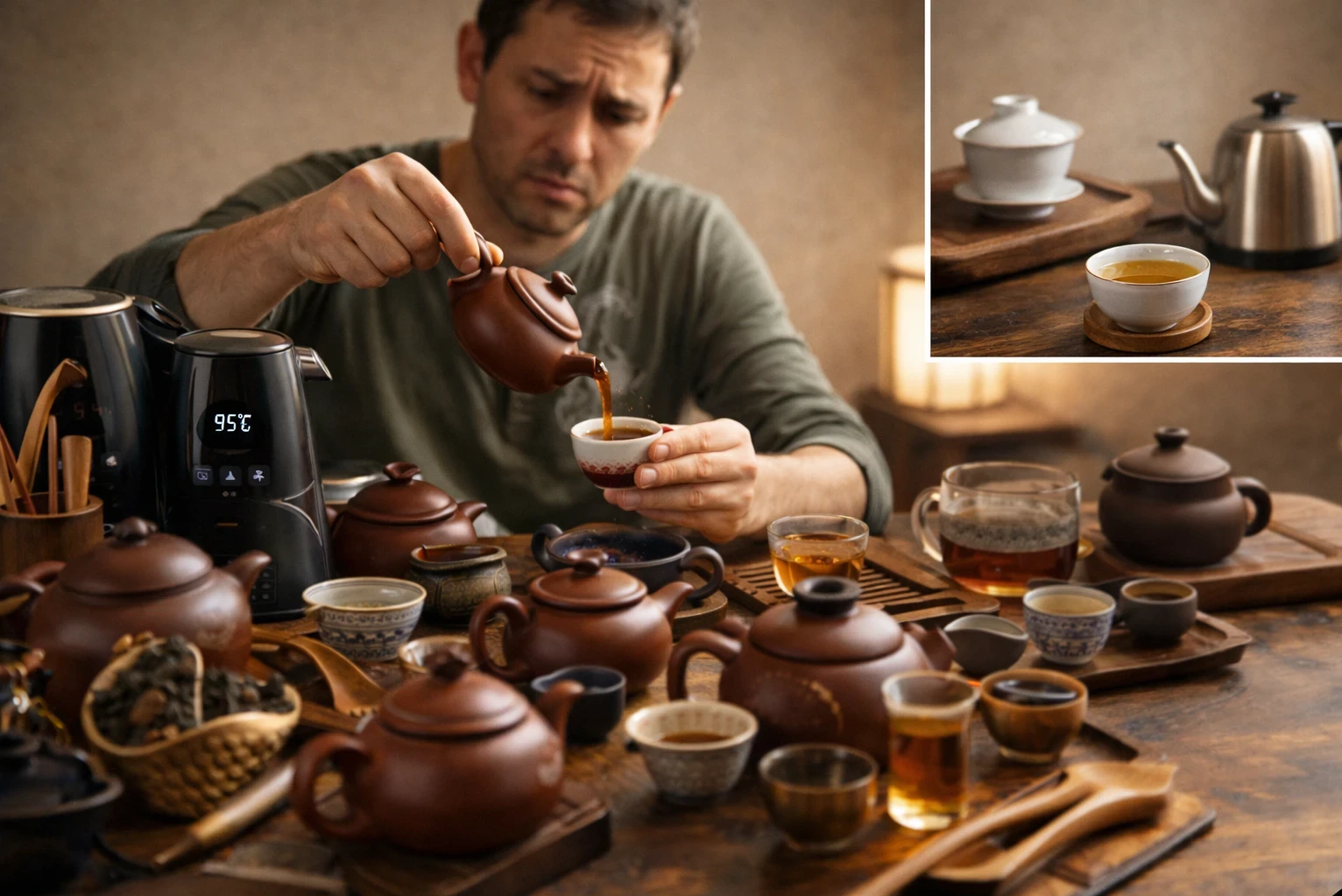
It’s tempting to treat gongfu as a single recipe. The reality is, it’s a flexible system where different teas want a little different treatment. Sheng pu’er, Shu pu’er, Wuyi oolong, Dan Cong, white tea—they all like tiny adjustments. What works for a fragrant dan cong will make sheng taste biting, and can leave shu too flat.
I’ve broken down specific adjustments for Sheng pu’er, Shu pu’er and Dan Cong in dedicated guides, which makes this much easier to apply in practice.
How to Adjust by Tea Type
- Sheng pu’er: Stick with hot water, but keep an eye on timing—young teas especially go bitter if left too long.
- Shu pu’er: Prefers extra heat to dig past earthiness, but don’t overdose on leaf or it gets murky.
- Oolong (rolled or strip): Rolled oolongs swell a lot, so leave enough space. Lighter oolongs like cooler water and a shorter first round.
- White tea: Sensitive to long hot steeps. Use more leaf, but keep infusions quick.
Tune gently: Add or lose a gram, cut five seconds, or shift water temp up or down a couple degrees. Make notes on what worked so next time you’re closer to your favorite cup.
Ignoring Water Quality
I used to think hot tap water was fine, until I tried serving up the same tea with filtered water and was shocked at the improvement. Good tea with poor water turns a special leaf into a dull or odd-tasting brew. If tea always tastes off no matter what you try, water’s likely the culprit.
Hard Versus Soft Water
- Hard water: Packed with minerals like calcium or magnesium. Makes tea taste chalky and flat, can even clog up your teapots with scale over time.
- Super soft (distilled or RO) water: Lacks the minerals helpful for extracting flavor, so tea tastes weak and empty.
I get best results with filtered water or light spring water. Avoid both extreme hard and RO water. If your tap water is bad, a basic filter can work wonders. No need to run lab tests—just use water that tastes fresh and pleasant on its own.
For more information you can read my Guide to Brewing Better Tea with the Right Water.
Chasing Gear Instead of Mastering Technique
It’s easy to believe better gear means better tea, especially with all the tempting teapots, special cups, or high-end kettles available. I thought the same, and bought a bunch of shiny teaware before realizing I was still overbrewing or making mistakes with water.
What Actually Counts When Getting Started
- Focus: This alone can change your results every session. Pay attention to how tea shifts with each little change and stay flexible.
- Consistency: Using the same basic pot and kettle lets you spot what’s making the biggest difference every session.
- Pouring: Even basic kettles pour just fine. Focus on steady, controlled pours instead of hunting expensive specialty gear right away.
When Equipment Really Makes a Difference
Some teaware helps accent styles (like clay pots for sheng or unglazed yixing for roasted oolong), but only once you’re consistently brewing tasty cups. Master your basic setup and technique first; upgrade gear later if you want to chase more subtle flavors or try new styles.
Thinking Gongfu Is Complicated
Gongfu is sometimes described as a mysterious art, which can stress new brewers out, leading to overthinking and stiff sessions. I remember pouring over guides and trying to remember a dozen steps for every leaf. It stopped being fun; my results didn’t get any better with all that worry.
What really matters is noticing small changes and reacting—do a bit more time, drop temp, watch for aroma shifts. My favorite sessions have always been relaxed, focused on the leaf in front of me, not a checklist. Simplicity boosts consistency. You don’t need encyclopedic tea knowledge or a big collection. Just practice the basics till you see how each tea reacts.
How to Practice Gongfu and Actually Improve
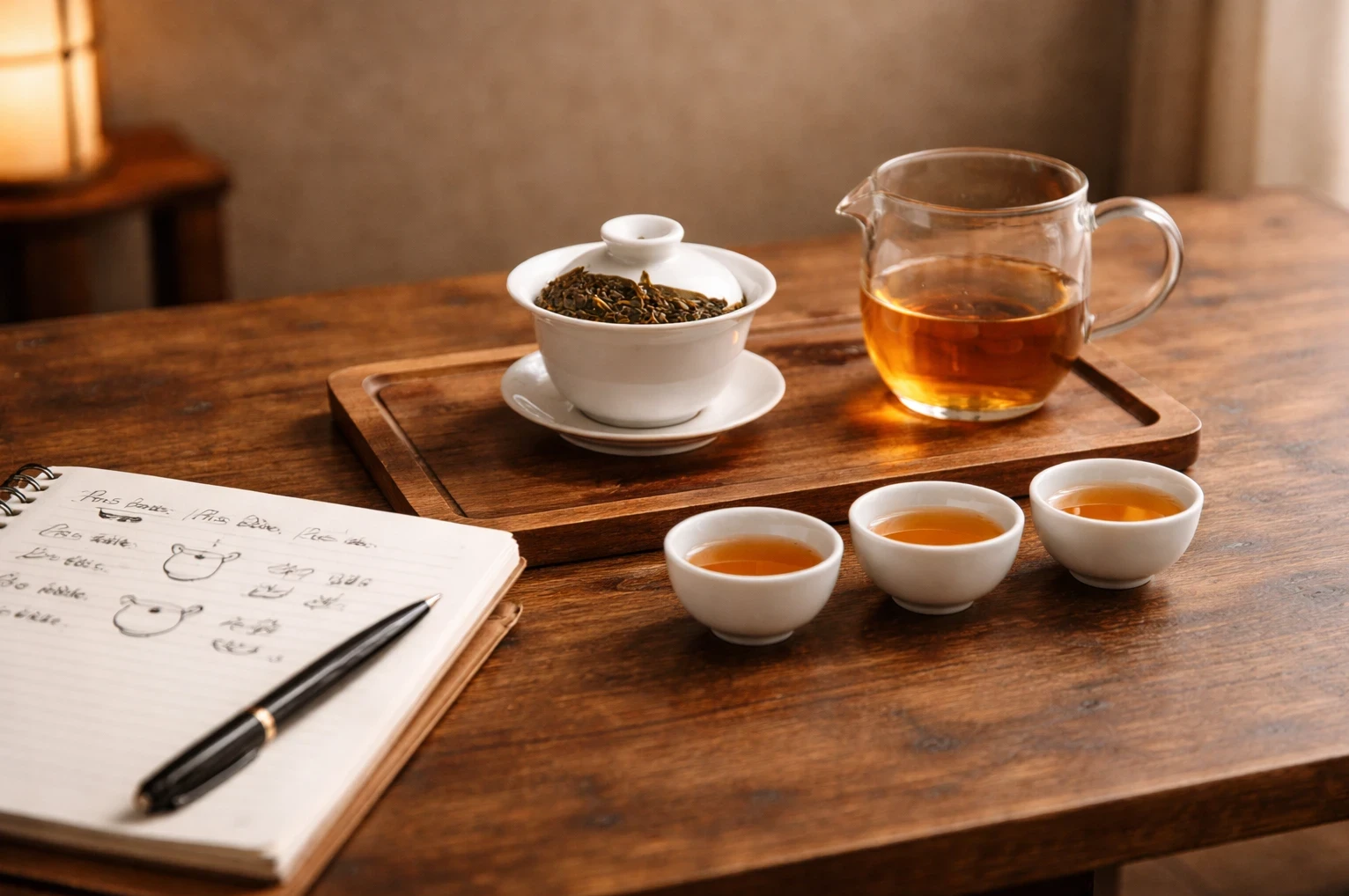
For real progress, I started doing practice sessions that were dead simple: brew one tea, keep everything the same, and take notes. Only change one thing each round, so you can truly see the effect. It’s about clear feedback—not perfection every time.
Best Practice Routine to Build Solid Skills
- Select one tea, like a budget-friendly wuyi oolong or a raw pu’er.
- Use the same pot and kettle, measure leaf and water each time.
- Stick to a repeatable ratio (say, 1g leaf per 15ml water) and a steady temperature for that style.
- Brew a full session (at least 4–6 infusions), keeping early steeps short—5 to 10 seconds, then add time as flavor thins out.
- Jot down which cups stood out and why—did the aroma jump, taste turn harsh, or flavor drop suddenly?
- Next session, only tweak one variable: temperature, time, or leaf, but never more than one thing at once.
After a few weeks, this kind of easygoing, mindful practice did more for my tea than any teapot swap or “expert” recipe. Not all cups will be winners, but your average session gets sweeter, more interesting, and a lot more enjoyable.
Quick Tips to Dodge the Top Gongfu Mistakes
- Start with a basic, repeatable ratio. Getting a small scale can really help nail consistency.
- Water for oolongs and pu’ers should be just-off boil or boiling; most teas don’t suffer from high temps if you go short on time.
- Early infusions are rapid. Count in your head if needed.
- Rinse leaves quickly and only if needed, especially for aged or heavily processed teas; don’t overdo it for delicate styles.
- Keep practicing with the same gear for a while before changing things up.
- Try to use fresh, clean water—if every tea tastes wrong, it’s probably the water, not the leaves or method.
- Above all, keep things simple and focus on attention, not complexity. The best sessions come from noticing the tea, not following endless steps.
Frequently Asked Gongfu Brewing Questions
Question: What’s a good first tea to practice gongfu with?
Answer: Shui Xian or another affordable Wuyi oolong is a great place to start. It’s forgiving, flavorful, and doesn’t punish small timing mistakes.
Question: Do I need a special yixing teapot for good gongfu?
Answer: Not at all. A simple glass or porcelain gaiwan works great. It’s easy to clean, doesn’t lend off-flavors, and you can watch the leaves open up.
Question: How do I know when to stop using the leaves?
Answer: When flavor drops off and the tea tastes flat, you’re done. Most leaves last at least five rounds, sometimes longer with careful brewing.
Further Reading and Extra Resources
- Gongfu brewing guide
- How smart kettles transform gongfu tea practice
- The best loose leaf teas for gongfu brewing
Gongfu brewing isn’t about perfect technique every session. The real excitement is in brewing clean, rewarding cups and seeing how your tea unfolds. Adjust these basics, skip the easy mistakes, and even basic leaves can taste fantastic.

Chris is the founder of Zen Tea Tools and a passionate explorer of traditional and modern tea brewing. From Gongfu sessions to smart tea technology, he shares practical insights to help others find clarity, calm, and better tea.Learn more about Chris →
Leave a Reply