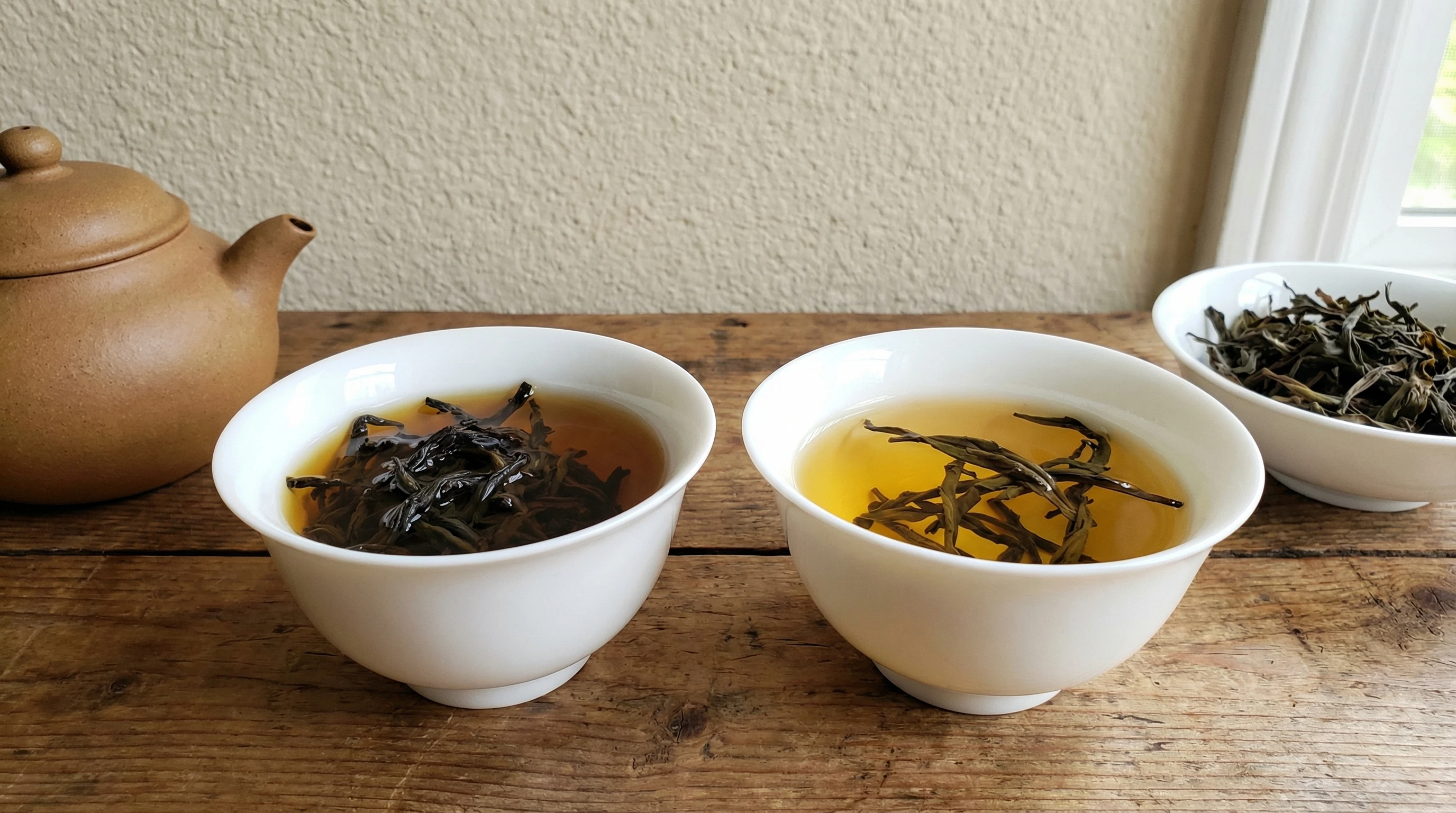
Wuyi Yancha and Dan Cong Oolong are two stars from China’s oolong tea scene, and they’re both packed with personality. Each offers something different in terms of aroma, roasting style, and the way they behave in your teapot. Even if you already enjoy loose leaf tea, picking between these two can be a headscratcher, especially if you want reliable results with Gongfu brewing. Here’s my down-to-earth comparison of Yancha vs Dan Cong Oolong, focusing on the stuff that matters when you’re actually putting kettle to clay, not just flowery tasting notes.
What Is Wuyi Yancha?
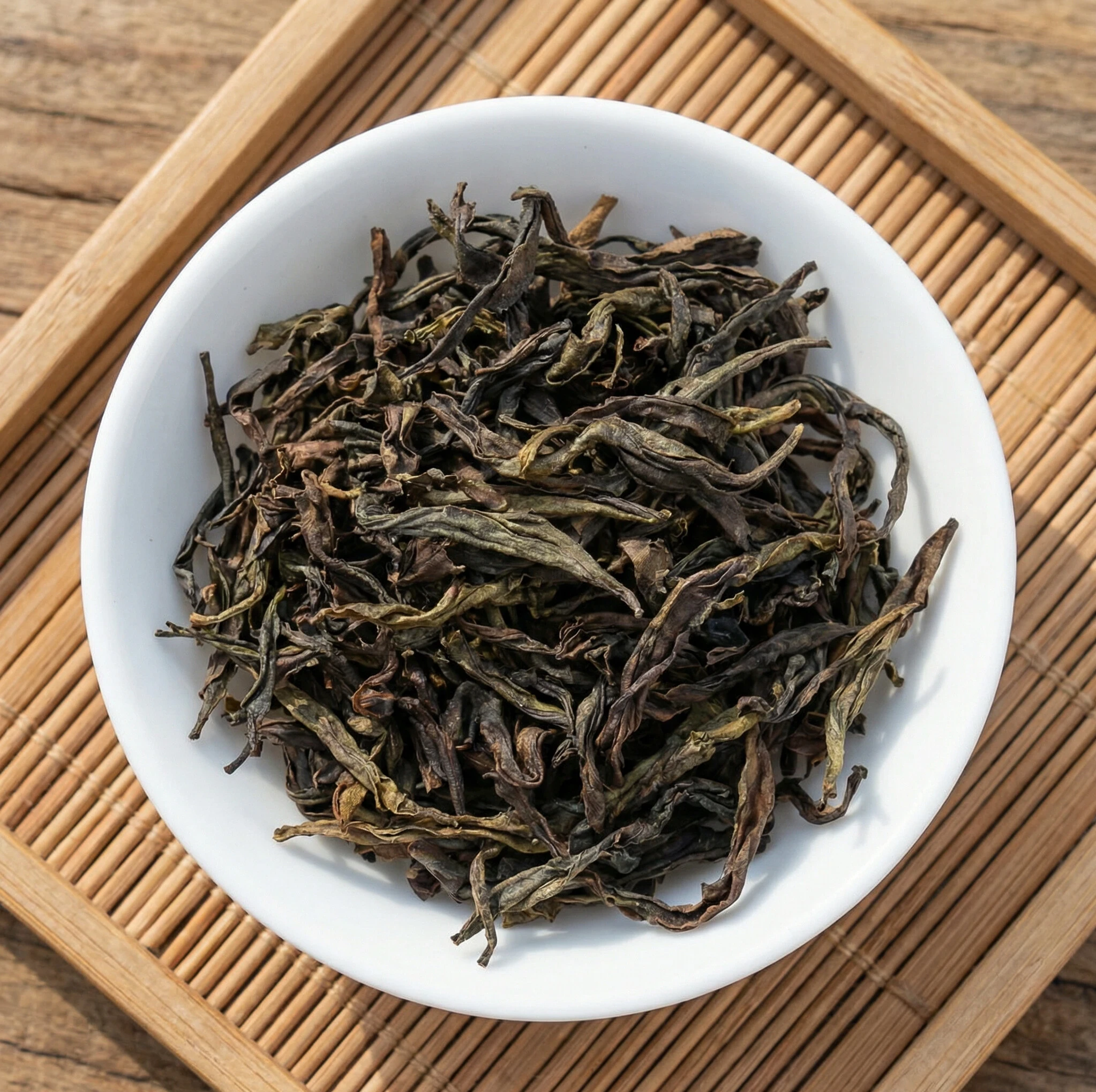
Wuyi Yancha comes from the rugged cliffs in the Wuyi Mountains up in northern Fujian. The name literally means “rock tea” because of the way these oolongs grow right in the craggy terrain, soaking up mineral goodness from the rocky soil. Yancha is less about bombastic aroma and more about layered complexity and staying power. The roasting is a big deal here, with multiple rounds at lower temperatures, usually charcoal roasted, building a smooth, sometimes toasty depth that sticks around for brew after brew.
If you’re chasing a tea that rewards slow brewing, rewards attention, and has that deep talc-like mineral backbone (often called “yan yun,” or rock rhyme), this one is for you. The best Wuyi Yancha flavor profile leans toward roasted nuts, dried fruit, a hint of cocoa or coffee, and that signature mineral touch. There’s a clarity and subtlety here, not just showy perfume. Yancha also brings a kind of meditative calm, making each little cup a moment to enjoy.
What Is Dan Cong Oolong?
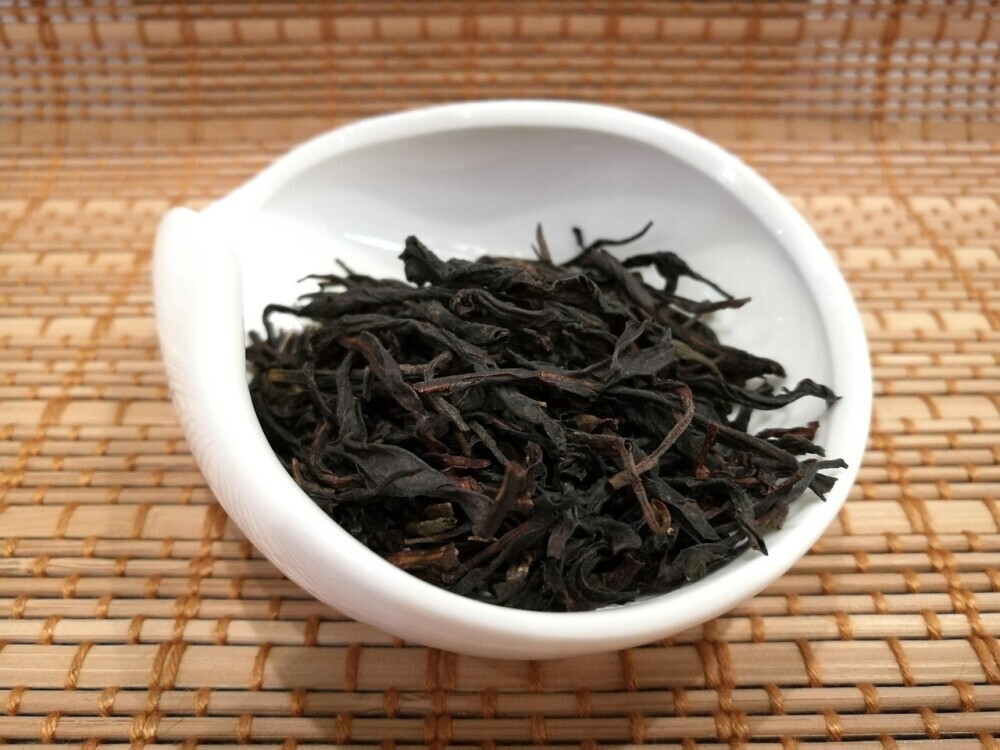
Dan Cong Oolong is the pride of Phoenix Mountain (Fenghuang Shan) in northern Guangdong. The name Dan Cong means “single bush,” and that’s not just marketing—it often really does come from individual old tea trees, each with its own unique natural aroma. Unlike a blend or a garden’s worth of leaves, Dan Cong teas are famous for their pure, expressive scent. You get everything from honey orchid (Mi Lan Xiang) to almond, ginger flower, or pomelo, and each type has a story of its own.
Dan Cong Oolong usually gets a much lighter roast than Yancha. That lets the dan cong aroma shine right out of the cup. These teas are known for being fussy; steep them even a little too long and you might end up with bitter, astringent brews. Their raw fragrance is super appealing, but they’re also the ones most likely to punish casual brewing. Dan Cong oolongs are celebrated for their powerful, attention-grabbing floral and fruity scents, which can take over the room with even a small brew.
Aroma Differences Between Wuyi Yancha and Dan Cong
Yancha aroma is like a deep bassline: slow, smoky, and steady. It starts off a bit closed, sometimes smelling roasty, nutty, or mineral, and then it opens up the more you rebrew it. The aroma lingers in the empty cup, and people love to smell the lid of their Gongfu pot after pouring Yancha. It tends to build up with each infusion instead of dying off right away, showing off subtle notes that keep you coming back for more.
Dan Cong, in comparison, bursts out of the gate. The fragrance (dan cong aroma) is immediate and loud, jumping from floral to fresh or even tropical as soon as hot water hits the leaves. It transforms your whole tea table in the first infusion or two, but drops off faster if you’re not careful. If you keep re-steeping, the initial high notes fade and you’re left with a softer, woodier fragrance. With Dan Cong, timing and leaf quality make a huge difference to what you actually smell and taste.
Roast Levels and Processing Style
The difference between Wuyi Yancha and Dan Cong is really clear when it comes to roasting. Yancha gets heavier, slower roasting, often with charcoal, aiming for a rounded finish and that signature warm, brooding profile. This roast smooths out green bitterness, softens highs, and brings out savory flavors. It also makes the tea pretty tolerant to brewing mistakes. If you forget about your steep for 30 seconds, odds are it’ll still taste good. The patient processing gives you a lot of room to experiment.
Yancha vs Dan Cong roasting can be like comparing slow-cooked barbecue to a quick panfry. Dan Cong leans much lighter, sometimes almost barely roasted, to let the natural floral notes and fruitiness come through. That lighter touch comes with a tradeoff; Dan Cong can get rough or bitter if you overbrew, and the lighter roast can leave unfinished or grassy notes in cheaper examples. The mouthfeel is brighter and sometimes sharper, while Yancha usually feels thicker and smoother from the heavier roast.
How to Brew Wuyi Yancha (Gongfu Style)
Wuyi Yancha is practically made for Gongfu brewing. The structure, roast, and leaf toughness mean you’ve got a little room to mess up without ruining everything. Here’s what works for me:
- Water temperature: Go hot—95°C to nearly boiling (203–212°F). This helps open up the roast and unlock deeper flavors.
- Leaf to water ratio: Yancha likes a higher leaf load, anywhere from 6 to 8 grams for a 100–120 ml gaiwan or teapot.
- Infusion times: Keep first brew super short, just 5–10 seconds, since the leaves open quickly. For later brews, you can stretch the time by a few seconds each time.
Yancha is forgiving. If you steep too long, you might just get some extra roast; it’s rare for bitterness to take over unless you seriously overdo it. For anyone just starting Gongfu, it’s a less stressful way to play with timing and temperature. The more you experiment, the better you’ll get at pulling out different layers from the leaves.
How to Brew Dan Cong Oolong (Precision Required)
Dan Cong is way less forgiving. Even seasoned drinkers run into trouble if they treat it like a robust oolong. Here’s how I avoid bitter disasters:
- Water temperature: Start around 90–93°C (194–199°F). Some people go a bit higher for heavily roasted ones, but with floral or greener types, I stay at the low end.
- Leaf to water ratio: Just like Yancha, 6–8 grams per 100–120 ml vessel, but start at the lower end if your Dan Cong is especially green or floral.
- Infusion times: The first infusion should be only 5 seconds or less. If you oversteep even a little, that punchy aroma can turn into astringency fast.
I always recommend using a timer when first learning how to brew Dan Cong Oolong. The moment you lose track of time, the brew can go from heavenly to harsh. If you want the aroma to really shine, keep everything neat, don’t overcrowd the teapot, and let the water cool just a touch from boiling. Keep in mind, some Dan Cong lovers experiment with “flash brewing” (extremely short steeps) to keep the astringency at bay and maximize the natural aroma. If you’re not getting the results you want, try reducing both leaf quantity and temperature as a test run.
Flavor Progression Across Infusions
Yancha is built for endurance. The first infusion or two may feel muted if you brew lightly, but after that, the layers really start to show. Each subsequent short steep peels back new notes, with minerality, dried fruit, toast, sometimes cocoa or caramel, while keeping mouthfeel thick and smooth. Even as the roast mellows out, you never get that hollow, weak feeling. The flavor holds steady over five, six, or even eight infusions with good leaf. It’s not uncommon to squeeze out a surprising amount of complexity, making Yancha a favorite for long, relaxed tea sessions.
Dan Cong is more of a sprinter than a marathon runner. The first one or two infusions are showstoppers—almost perfumy, intensely aromatic, sometimes startlingly sweet and floral. But after those early fireworks, there’s a quick drop-off in top notes. You’ll need to adjust timing carefully for each further brew to avoid astringency. The flavor transitions from bright, perfumy flashes to something a little more woody or grassy, with the overall personality calming down pretty quickly. Gongfu brewing brings out the best in both teas, but it really shows just how quickly Dan Cong changes compared to Yancha. For some, this rapid transformation is thrilling; for others, it’s a reason to savor each cup at its brightest moment.
Which One Should You Choose?
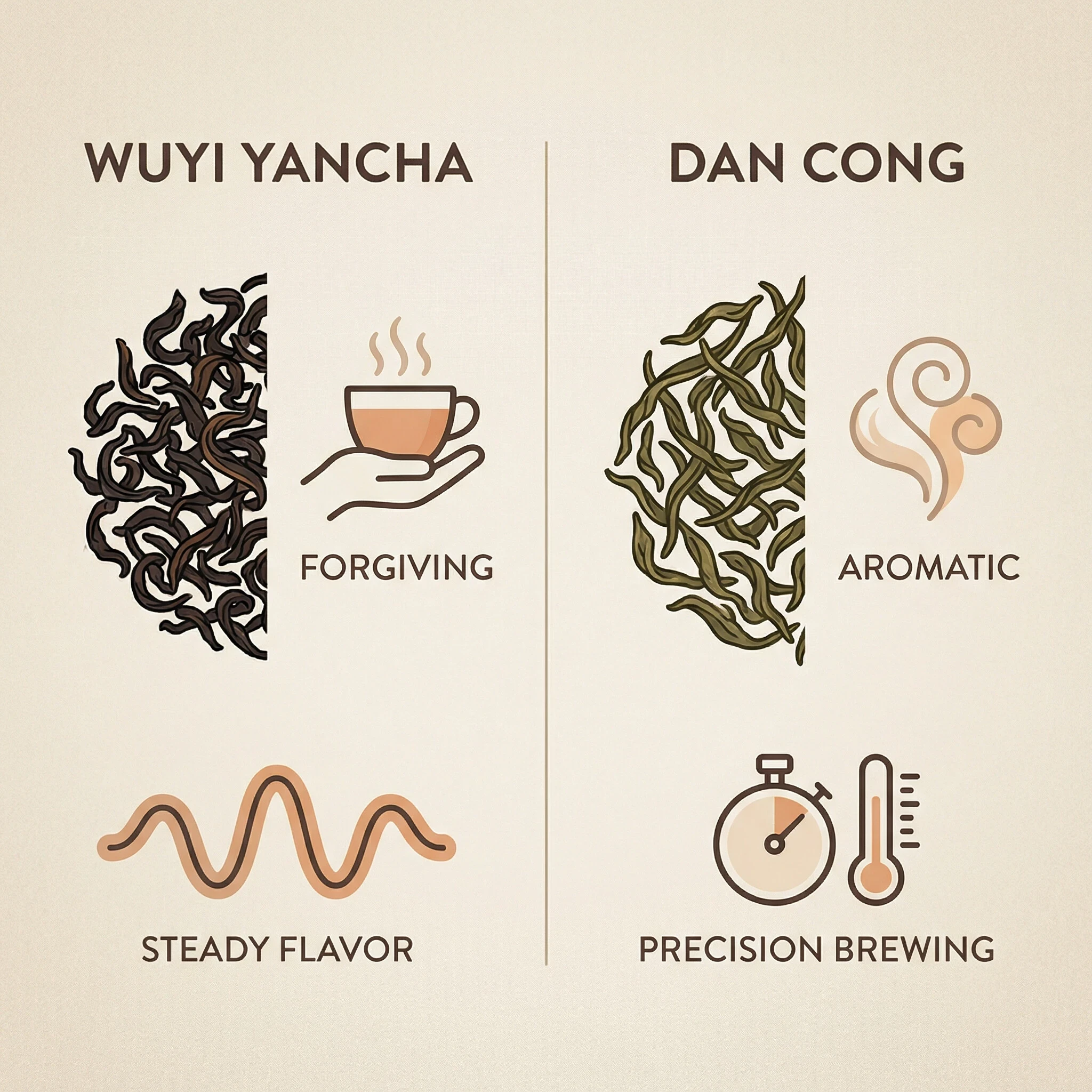
If you love easy drinking, steady flavor, and want your tea to taste good even if you mess up a bit, Wuyi Yancha has your back. The roast, structure, and minerality make for a reliable session; you’ll get complexity without needing to fuss over every detail. Yancha is a great pick for sharing with friends who are new to Gongfu too, since its flavors are welcoming and not easily overpowered by mistakes.
For drinkers who chase mind-blowing aromas and enjoy a challenge, Dan Cong Oolong is well worth a try. The first two brews can be out of this world, but you’ll need precision and fresh, quality leaves. If you like experimenting and have some Gongfu experience, Dan Cong really delivers a unique ride. There’s also a fun adventure in trying different Dan Cong aromas—each bush or type can be like a new flavor chapter on its own.
There’s no right or wrong answer for Wuyi Yancha vs Dan Cong Oolong. Your own taste and how much control you want in the brewing process should guide the choice. Sometimes I reach for Yancha when I want comfort, other times Dan Cong for excitement. It all depends on the mood and the moment. Try both side by side for a real appreciation of how roasting, terroir, and processing give birth to such different cups.
Buying Tips for Wuyi Yancha and Dan Cong
Wuyi Yancha benefits from fresh roasting, so ask about roast date if you can. Good sellers are happy to share those details. Yancha is famous enough that there’s a lot of over roasted, flat tasting, or just plain stale product out there. Look for clear descriptions and avoid types that just sound generic; ask what rock or garden the tea is from, or find out what vintage or season the leaves were picked. If it’s got lots of hype without specifics, that’s a red flag. Learn the classic Yancha names like Da Hong Pao, Shui Xian, or Rou Gui. Authentic teas will have clear sourcing information and shouldn’t need flowery marketing language to sell themselves.
Dan Cong is even riskier to buy cheap. Bargain Dan Cong often ends up grassy or bitter, missing the clean, bright dan cong aroma that makes these teas special. Trust sellers who are open about how their Dan Cong is roasted and stored. Each Dan Cong aroma (like almond, honey orchid, or ginger flower) should be natural, not the result of added flavoring; so double check for that transparency. Sometimes, reputable sources will even tell you the precise bush or farmer responsible, which shows commitment to quality. Try to buy samples before investing in a full quantity so you can check firsthand what suits your palate.
In both cases, vendor reputation and transparency matter way more than a flashy website or fancy packaging. High end Yancha and Dan Cong are never cheap, so if something seems too affordable to be true, odds are the quality won’t deliver. Small samples help you get a sense for what you like, and careful research helps buyers make informed decisions. Spend time reading reviews, ask questions to the seller, and remember there are no shortcuts to finding great tea from these regions.
Wuyi Yancha vs Dan Cong: Final Thoughts for Everyday Drinkers
The real difference between Wuyi Yancha and Dan Cong Oolong isn’t about which is better, but how each fits your preferences and brewing style. Yancha offers depth and consistency with loads of mineral flavor, while Dan Cong brings head turning aroma and extra challenge. Both deliver a lot to explore with Gongfu brewing, and trying both with an open mind will give you a clearer sense of what you enjoy. As always, remember that good water, fresh leaf, and patience are your best friends in the cup. Trying both of these teas with friends or at a tea club can open up conversations and let you spot subtle differences together. Whether you’re chasing comfort or adventure, these teas have a way of making each session special.
If you want a clear reference point for each style without guessing, here are two well-balanced examples you can start with. They’re not the only good teas out there, but they’re great for exploring the real character of these oolongs in your own kettle.
- A nicely expressive Dan Cong with bright floral fragrance: Yuexi Dan Cong Tea Oolong Tea Loose Leaf 4.23 oz/120 g – Top-grade Phoenix Mountain Orchid Fragrance
- A classic Wuyi rock oolong with smooth roast depth: The Tao of Tea Wuyi Oolong Tea, Loose Leaf, 2.5 oz Tin
These give you a grounded taste of what makes each style special. Try them side-by-side with Gongfu brewing to really feel the difference in aroma, roast, and infusion behavior.
Here’s a little transparency: Our website contains affiliate links. This means if you click and make a purchase, we may receive a small commission. Don’t worry, there’s no extra cost to you. It’s a simple way you can support our mission to bring you quality content.

Chris is the founder of Zen Tea Tools and a passionate explorer of traditional and modern tea brewing. From Gongfu sessions to smart tea technology, he shares practical insights to help others find clarity, calm, and better tea.Learn more about Chris →
Leave a Reply